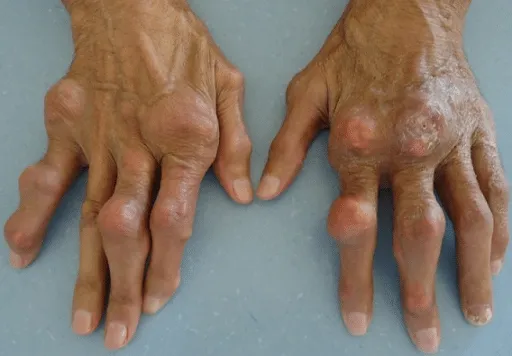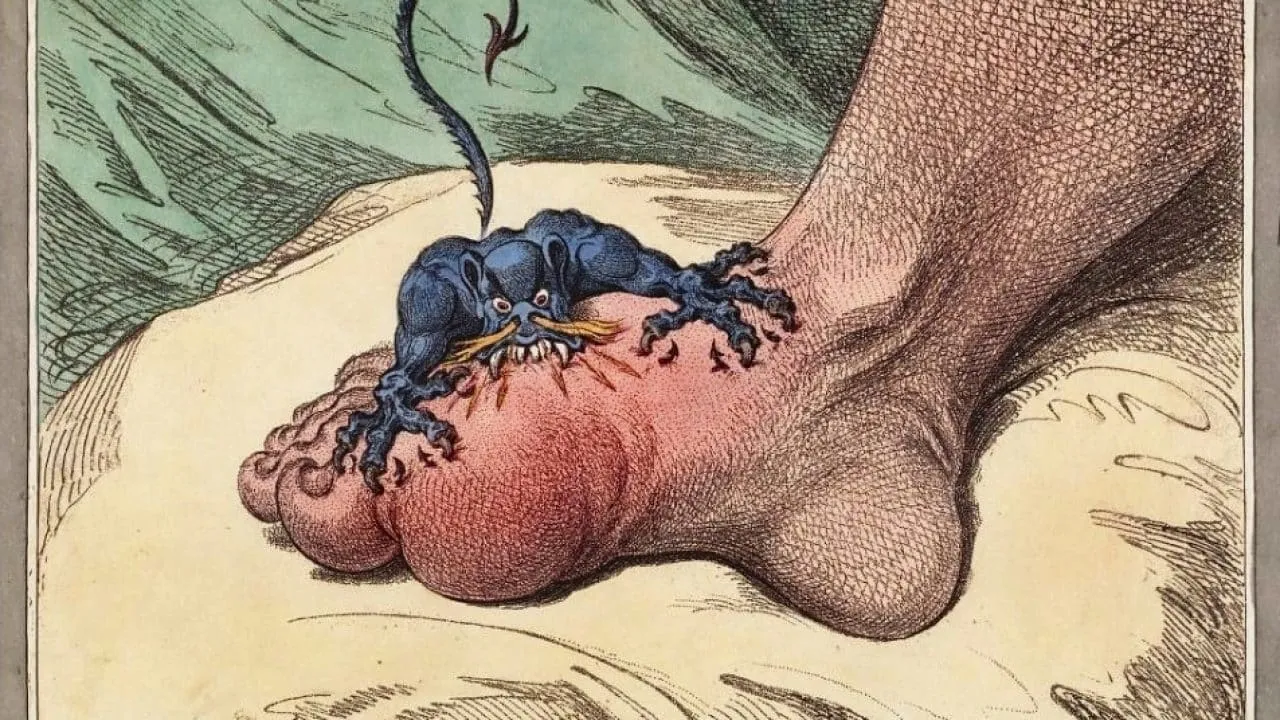
What is Gout?
Gout belongs to a group of crystalline diseases occurring when uric acid crystals accumulate in joints and tissues. While deposits often cause no issues initially, the body may suddenly recognize them as foreign, triggering an intense inflammatory reaction. This manifests as a “gout attack” — often beginning overnight with excruciating pain, typically in the big toe, though other joints can be affected. The pain can be astronomical, leaping-out-of-your-skin kind of pain.
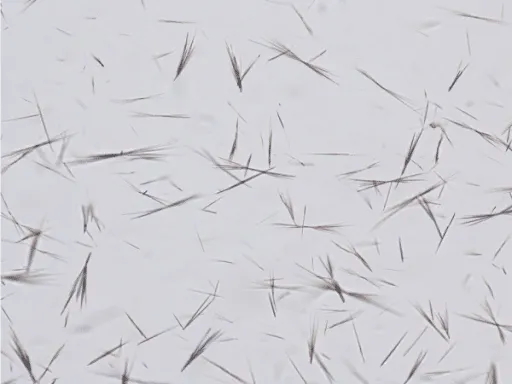
Without treatment, most attacks naturally resolve within two to three weeks, though some may persist longer.
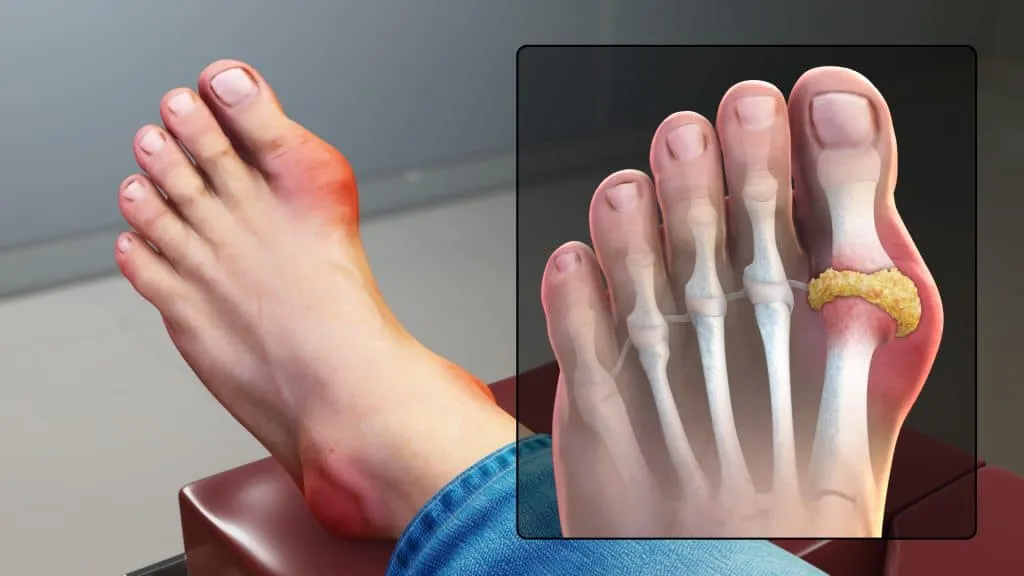
Why Do We Get Gout?
Genetics is the primary factor determining gout susceptibility, more influential than diet or kidney function. A comparison of identical twins with different lifestyles reveals that dietary differences produce only minimal uric acid level changes — approximately 1 mg/dL. Since crystal formation begins around 6.8 mg/dL, such small variations rarely prevent attacks in those with higher baseline levels.
Kidney efficiency also contributes significantly. Some individuals naturally have less efficient kidneys for uric acid excretion, and kidney function naturally declines with age.
Treatment Approaches
Breaking an Active Attack
Treatment options include NSAIDs, corticosteroids (oral or injected), colchicine (effective only within 24 hours), ACTH injections, and canakinumab — a newer biologic therapy targeting inflammation pathways.
Preventing Future Attacks
Four primary medications lower uric acid levels:
- Xanthine oxidase inhibitors (allopurinol, febuxostat) reduce uric acid production
- Probenecid encourages kidney excretion, though effectiveness varies
- Pegloticase directly destroys uric acid, dropping levels dramatically
- Dietary modifications help when uric acid levels approach the danger threshold
Most long-term medications must continue indefinitely since stopping them allows uric acid levels to return to previous elevated states. Rheumatologists typically recommend maintenance therapy when attacks exceed twice yearly to prevent permanent joint damage and tophi formation.